After a hard training session—whether it’s Muay Thai, Boxing, MMA, Wrestling, Brazilian Jiu-Jitsu, or strength and conditioning—proper recovery is essential. Rehydrating, eating nutritious foods, getting enough sleep, and allowing your body to rest can all support recovery.
But have you ever tried ginger tea for recovery?
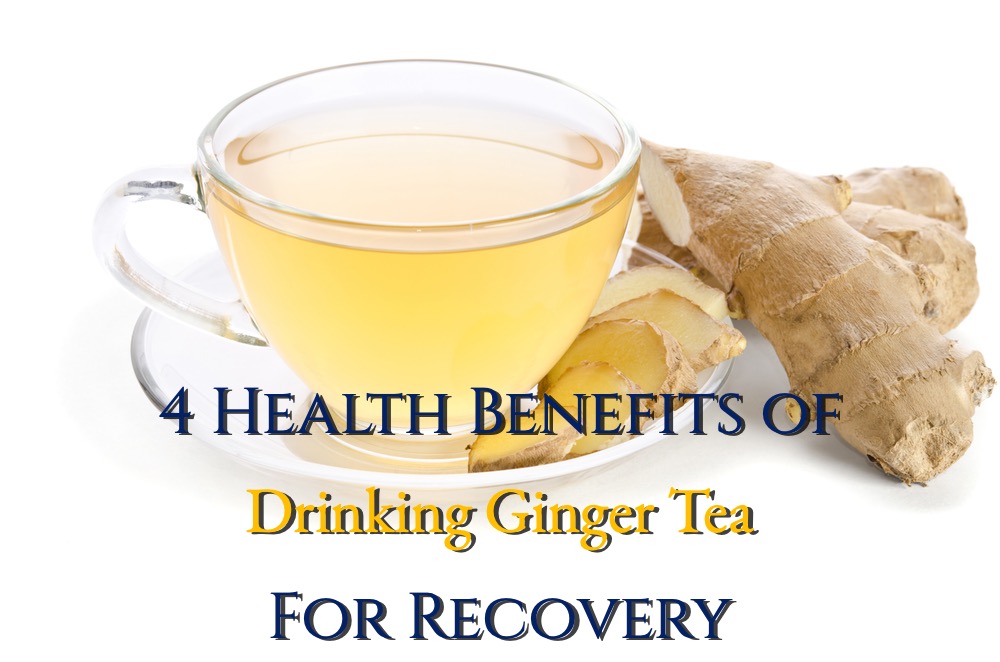
Ginger tea is a simple beverage that can be made with just fresh ginger and water. While it isn’t a replacement for proper nutrition, hydration, sleep, or medical treatment, ginger contains naturally occurring compounds that have been studied for their potential health benefits.
For martial artists and fitness enthusiasts, ginger tea can be a flavorful addition to an overall recovery routine.
Table of Contents
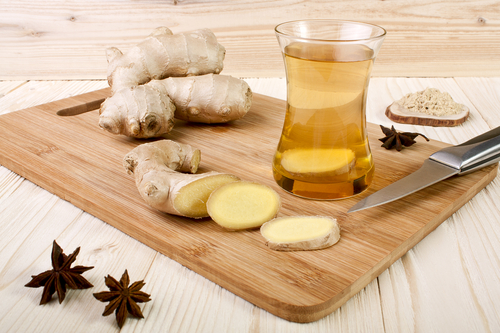
How To Make Ginger Tea
Making ginger tea at home is simple and requires only a few ingredients.
Ingredients
- Fresh ginger root
- 2–3 cups of water
- Honey (optional)
Instructions
- Cut the ginger root into approximately 6–8 thin slices.
- Add 2–3 cups of water to a pot.
- Place the ginger slices into the water.
- Bring the water to a boil.
- Reduce the heat and allow the ginger to simmer for several minutes.
- Pour the tea into a cup and allow it to cool to a comfortable drinking temperature.
- Add 1–2 teaspoons of honey if you prefer a sweeter flavor.
You can adjust the amount of ginger and steeping time depending on how strong you want the tea to taste.
Why Drink Ginger Tea After Training?
Hard martial arts and fitness sessions can place considerable stress on the body. Boxing rounds, wrestling drills, sparring, running, strength training, and other high-intensity activities can leave you feeling tired and sore.
Ginger tea can be one small part of your post-workout routine. It provides fluids and may offer some additional benefits because ginger contains bioactive compounds such as gingerols and shogaols.
Here are four potential benefits of drinking ginger tea.
4 Health Benefits of Ginger Tea For Recovery
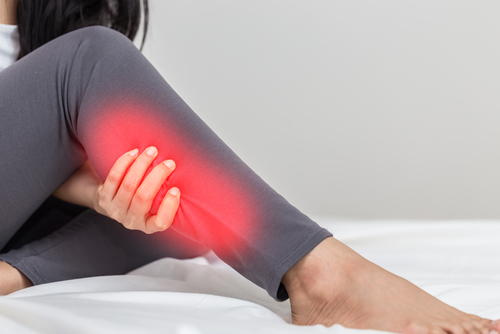
1. May Help With Muscle Soreness
Based on Healthline, having ginger is excellent for treating any muscle soreness or cramps you may have.
One of the most interesting potential benefits of ginger is its relationship with muscle soreness and inflammation.
Research has investigated ginger’s potential effects on pain and exercise-related muscle soreness. While ginger should not be considered a treatment for an injury, consuming ginger may help support your overall approach to managing everyday muscle discomfort.
This can be particularly relevant for people who regularly participate in demanding activities such as:
- Boxing
- Muay Thai
- MMA
- Wrestling
- Brazilian Jiu-Jitsu
- Strength training
- High-intensity conditioning
If your muscles feel sore after a hard workout, a warm cup of ginger tea can be a comforting addition to your recovery routine.
However, significant, persistent, or worsening pain should be evaluated by a qualified healthcare professional rather than treated with ginger tea alone.
2. May Support Digestion and Help With Nausea
Another potential benefit of ginger is its effect on nausea and digestion.
Hard workouts can sometimes leave people feeling nauseous, particularly after intense conditioning, sparring, or training soon after eating. Ginger has been widely studied for its ability to help with certain types of nausea.
A warm cup of ginger tea may therefore be a soothing option after training, especially if you enjoy its taste.
Keep in mind that everyone’s body responds differently. If nausea is frequent, severe, or associated with other symptoms during exercise, it is worth discussing with a healthcare professional.
3. May Help With Headaches and Migraines
Ginger has also been studied for its potential role in managing headaches and migraines.
Some research suggests ginger may have effects comparable to certain medications for migraine symptoms, although more research is needed and ginger isn’t appropriate as a substitute for professional medical care.
For athletes, this distinction is especially important.
If you experience a headache after boxing, kickboxing, MMA, or sparring—particularly after taking a significant blow to the head—don’t assume ginger tea will solve the problem.
A headache following a head impact can be a sign of a concussion or other injury. If you experience concerning symptoms after being struck in the head, stop training and seek appropriate medical evaluation.
Ginger tea can be enjoyed as a beverage, but it should never be used to mask symptoms and continue training.
4. Provides a Hydrating, Low-Calorie Beverage Option
After training, hydration is an important part of recovery. Ginger tea can contribute to your daily fluid intake, particularly when prepared primarily with water.
Unlike many sugary beverages, homemade ginger tea can be very low in calories when you don’t add sweeteners.
You can drink it plain or add a small amount of honey for flavor.
However, ginger tea shouldn’t replace fluids and electrolytes when you’ve had a long, intense, or very sweaty training session. Depending on the workout, water and an appropriate electrolyte-containing beverage may be more suitable for replacing fluids and electrolytes lost through sweat.
Is Ginger Tea Good for Athletes?
Ginger tea can be a useful addition to an athlete’s overall diet, but it isn’t a magic recovery drink.
The foundation of recovery should still include:
- Adequate hydration
- Protein and carbohydrates
- A balanced diet
- Quality sleep
- Rest and recovery days
- Appropriate training intensity
- Proper injury management
Think of ginger tea as a complementary beverage rather than the main solution for recovery.
When Should You Drink Ginger Tea?
There isn’t necessarily one perfect time to drink ginger tea.
You can enjoy it:
- After a workout
- With a meal
- In the evening
- When you want a warm, non-alcoholic beverage
- As part of your normal hydration routine
If you’re using ginger specifically because you’re experiencing persistent pain, nausea, headaches, or another health concern, it’s better to determine the underlying cause rather than relying on tea to manage the symptom.
Final Thoughts on Ginger Tea for Recovery
Ginger tea can be a simple and enjoyable beverage to include in a martial artist or athlete’s recovery routine.
Ginger has been researched for several potential health effects, including its relationship with muscle soreness, pain, nausea, and digestion. Drinking homemade ginger tea can also contribute to your overall fluid intake.
However, ginger tea isn’t a replacement for proper nutrition, hydration, sleep, or medical treatment.
If you train Boxing, Muay Thai, MMA, Wrestling, Brazilian Jiu-Jitsu, or strength and conditioning, consider ginger tea as one small part of a bigger recovery strategy.
What is your favorite recovery drink after training? Let us know in the comments or send us a message.
Active Recovery Exercises | 12 To Do On Rest Days
After training hard throughout the week, taking a rest day gives your body an opportunity to recover. However, a rest...
Read MoreIntermittent Fasting For MMA | 5 Performance Benefits You Gain

Intermittent fasting (IF) has exploded in popularity within the combat sports community, gaining mainstream attention after high-profile athletes like former...
Read More8 Activities To Do While Recovering An Ankle Injury

Recovering from an ankle injury—or any injury—can be a crucial period for both physical and mental health. Recovering properly not...
Read MoreHi there! I’m Austin Hoang, an editor and writer specializing in martial arts. As a lifelong martial artist, I have trained in various disciplines and competed in amateur boxing, wrestling tournaments, and Muay Thai/Kickboxing tournaments. Through my experiences, I aim to share valuable insights and ideas about martial arts. Thanks for visiting my page—I hope to inspire and educate you on the impact martial arts can have on life!


Pingback: Intermittent Fasting | 5 Performance Benefits You Get Out From...
Pingback: Lifestyle Changes | 12 That'll Change Your Life in 2021 - By...
Pingback: Intermittent Fasting For MMA | 5 Performance Benefits You Gain
Pingback: Hiking - 6 Reasons Hiking is the Best Active Recovery Activity for ...
Pingback: Sea Moss | Reasons Martial Artists Should Add To Their Diets