Active Recovery Exercises | 12 To Do On Rest Days

Active Recovery Exercises | 12 To Do on Rest Days

After training hard throughout the week, taking a rest day gives your body an opportunity to recover. However, a rest day does not always have to mean sitting on the couch all day. For martial artists, combat sports athletes, and fitness enthusiasts, active recovery exercises can be a useful way to stay lightly active without putting significant stress on the body.

Instead of performing another intense workout, active recovery involves low-intensity movements and activities that can help you stay mobile while giving your body time to recover.

You could spend your entire rest day watching Netflix or Amazon Prime, but getting some gentle movement can also be enjoyable. A walk around the neighborhood, an easy bike ride, some light stretching, or a relaxed swim can help break up the day without turning your rest day into another hard training session.

The key is intensity. Active recovery should feel easy. If an activity leaves you exhausted, extremely sore, or feeling like you completed another workout, it may be too intense for a recovery day.

Here are 12 active recovery exercises and activities you can try on your next rest day.

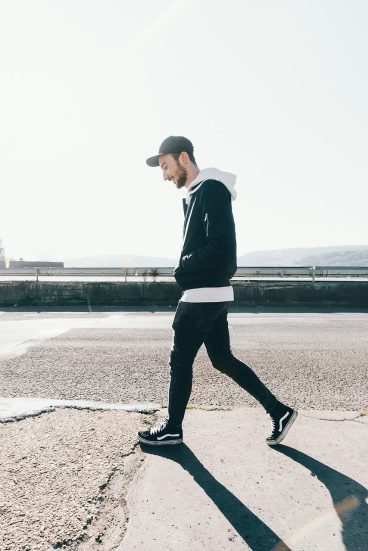
Active Recovery Exercises- Walking

1. Walking

Walking is one of the simplest active recovery exercises you can do on a rest day.

Take a walk around your neighborhood, visit a park, or explore somewhere new. Walking allows you to stay active without placing the same demands on your body as running, heavy lifting, or intense martial arts training.

It can also be a relaxing way to spend time outdoors and get your source of Vitamin D from the sunlight. Regular walking provides several health benefits and can support general cardiovascular health and mobility.

Keep the pace comfortable rather than turning your walk into a speed workout. The goal is to move, relax, and recover.


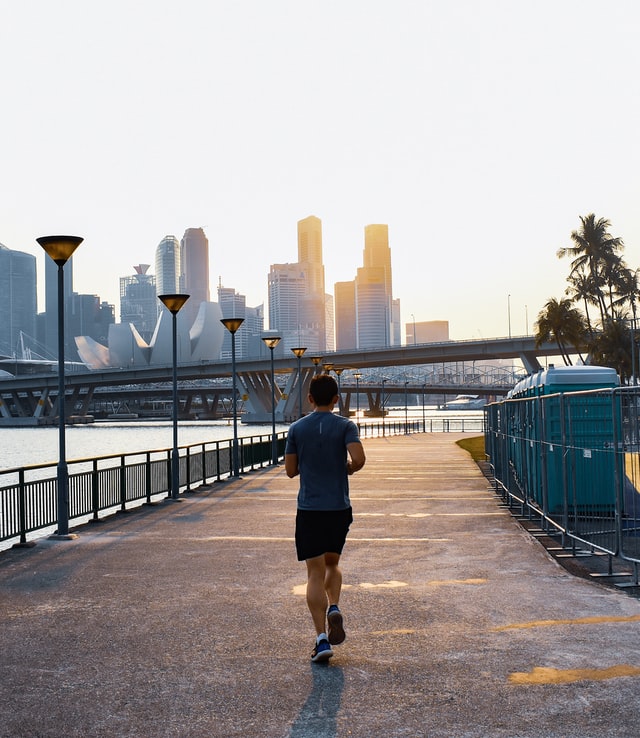
Active Recovery Exercise- Jogging

2. Light Jogging

If your body feels good, an easy jog can be another option for active recovery.

The important word here is light. A recovery jog should be much easier than your normal running or conditioning sessions. You should be able to maintain a comfortable pace without feeling like you are pushing your limits.

If your legs are particularly sore after hard training, walking may be a better choice than jogging.

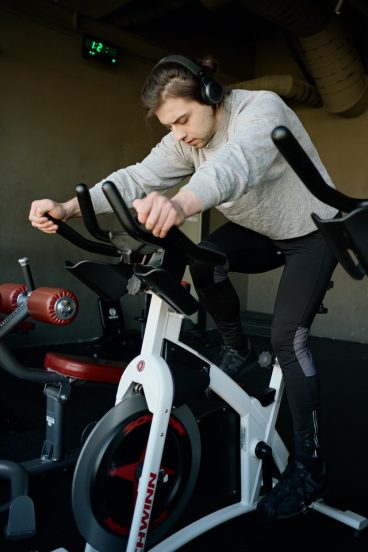
Active Recovery Exercises- Light Stationary Bike Work

3. Light Stationary Cycling

A stationary bike is a convenient option if you want to stay indoors on your rest day.

Pedaling at an easy pace can get your body moving without requiring a high level of effort. Try cycling for around 10–20 minutes while keeping the resistance relatively low.

You should finish feeling refreshed rather than exhausted.

If you have a stationary bike at home or access to one at your gym, it can be an easy addition to an active recovery workout.

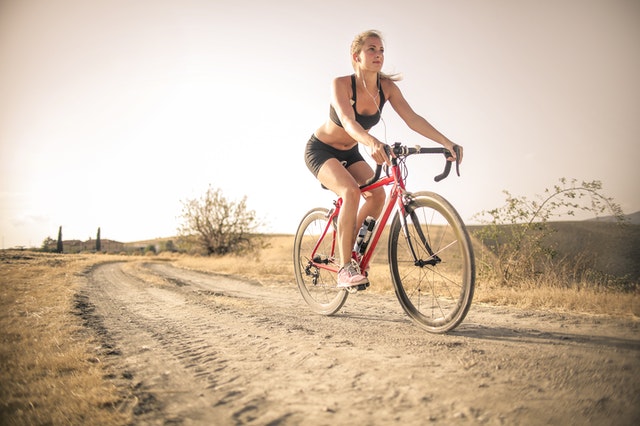
Active Recovery Activity- Easy Bike Riding

4. Easy Bike Riding

On Healthline, they have mentioned how bike riding doesn’t put pressure on your joints. 

You don’t have to stay indoors to get some easy cycling.

Taking your bike outside for a relaxed ride can be a fun way to combine physical activity with some time outdoors. Choose a relatively flat route and keep your pace comfortable.

Avoid turning your recovery ride into a hill-climbing or sprinting session. Remember, the purpose is to recover—not set a new cycling record.

Active Recovery Exercises- Light Calisthenics

5. Light Calisthenics

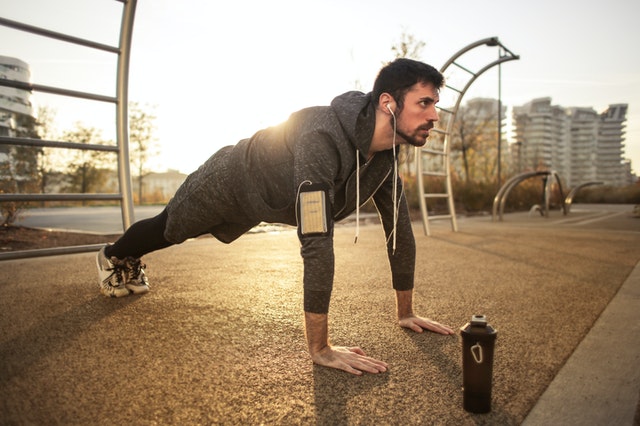
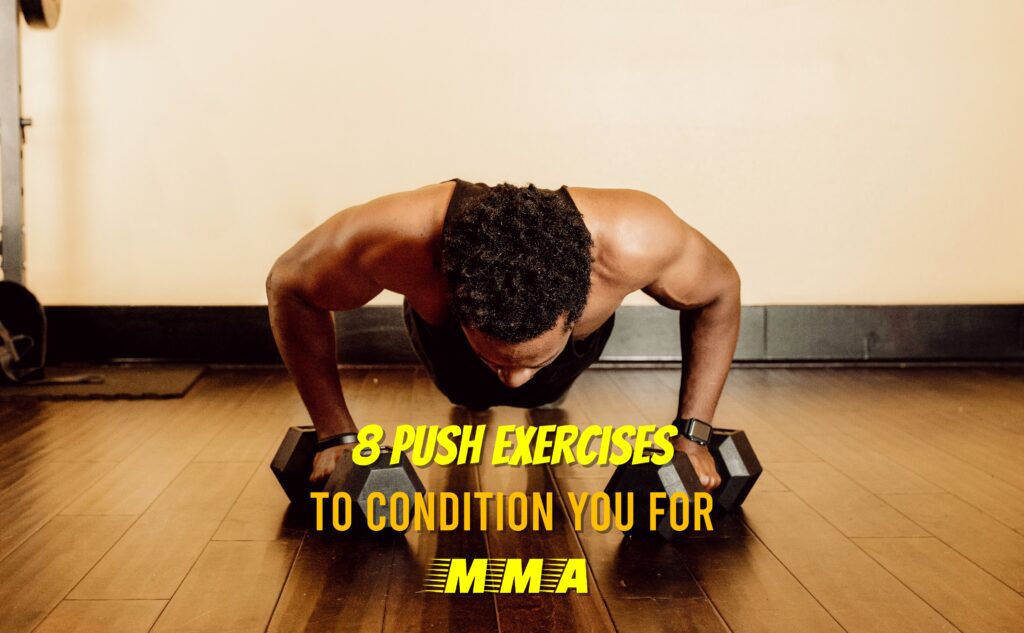
Light bodyweight exercises can also be incorporated into an active recovery routine.

Some examples include:

  • Push-ups
  • Bodyweight squats
  • Lunges
  • Shoulder movements
  • Light core exercises
  • Jumping jacks
  • Sit-outs
  • Other easy mobility-based movements

However, there is an important distinction between light calisthenics and a full bodyweight workout.

If you normally perform 50 push-ups, 100 squats, and several rounds of burpees, doing that on your rest day probably isn’t active recovery anymore.

Keep the volume and intensity low. You should finish the session feeling like you could have done more.

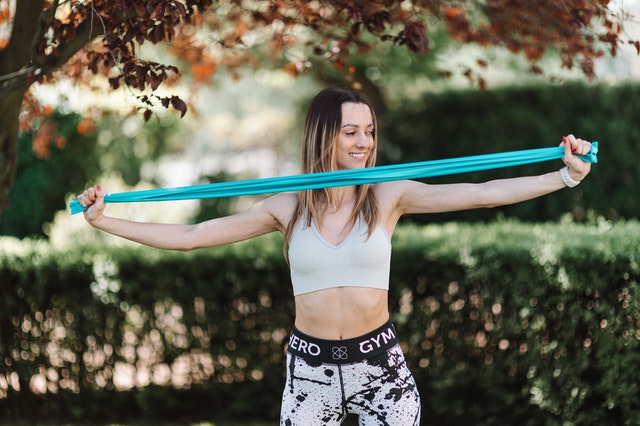
6. Light Resistance Band Exercises

Resistance bands can be useful for performing gentle movements without requiring heavy loads.

Depending on your fitness level, you could perform exercises such as:

  • Band rows
  • Light squats
  • Shoulder exercises
  • Biceps curls
  • Triceps extensions
  • Band pull-aparts

Use light resistance and focus on controlled movement rather than trying to fatigue the muscles.

Active recovery is not the time to test how many repetitions you can complete or how much resistance you can handle.

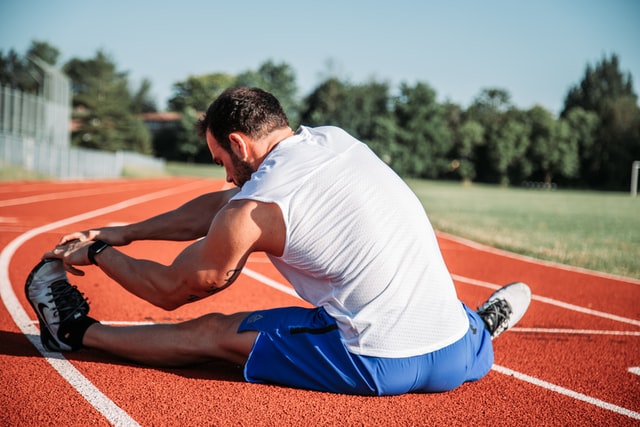
7. Active Stretching

A rest day can be a great opportunity to spend more time working on mobility and flexibility.

If stretching is something you regularly skip after training, use your rest day to dedicate some time to gentle stretching.

For martial artists and combat sports athletes, maintaining good mobility can be especially useful because training often involves repetitive movements, different stances, kicking, punching, grappling, and changes in position.

Keep your stretches controlled and comfortable. Avoid aggressively forcing a stretch, particularly when your muscles are already sore.

people, woman, yoga

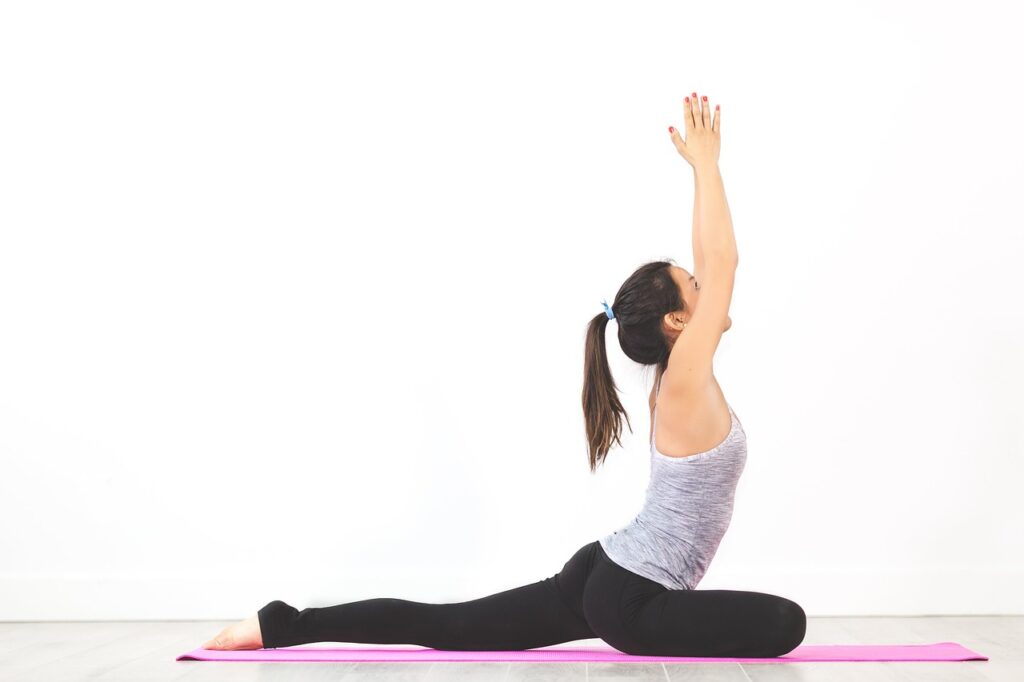
8. Yoga

On the Century Martial Arts blog, they have specified that the breathing patterns from martial arts are slightly different from yoga. However, it can still be transitioned over.

Yoga can combine gentle movement, mobility, balance, and controlled breathing, making it another option for an active recovery workout.

A low-intensity yoga session can help you move through different positions while giving you an opportunity to slow down and focus on your breathing.

For martial artists, the mobility and body-control aspects of yoga can complement regular training. However, choose a gentle session rather than an extremely demanding yoga class.

Your rest day should leave you feeling better—not more fatigued.

Active Recovery Exercise | Tai Chi

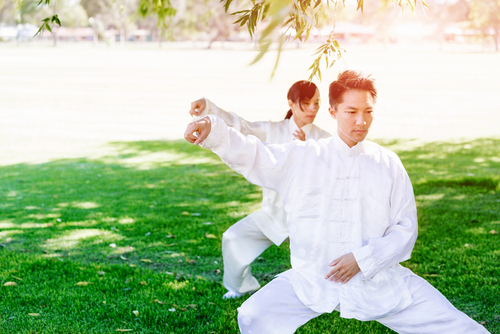
9. Tai Chi

Tai Chi is another low-intensity activity that can be incorporated into a recovery day.

Its slow, controlled movements emphasize balance, coordination, body awareness, and relaxation. This makes it very different from the high-intensity training commonly associated with combat sports.

For martial artists, practicing controlled movement on an easier day can be an interesting way to stay connected to movement while taking a break from hard sparring, conditioning, or strength training.

Active Recovery Activity- Hiking

10. Hiking

A relaxed hike can be an enjoyable way to stay active while spending time outdoors.

Walking along a trail provides movement without necessarily requiring the intensity of a traditional workout. It can also provide a mental break from your regular training environment.

However, be mindful of the difficulty of the trail. A steep mountain hike can become a demanding cardiovascular and muscular workout.

For an active recovery day, choose an easier route and maintain a comfortable pace.

slope, ski, snowboard

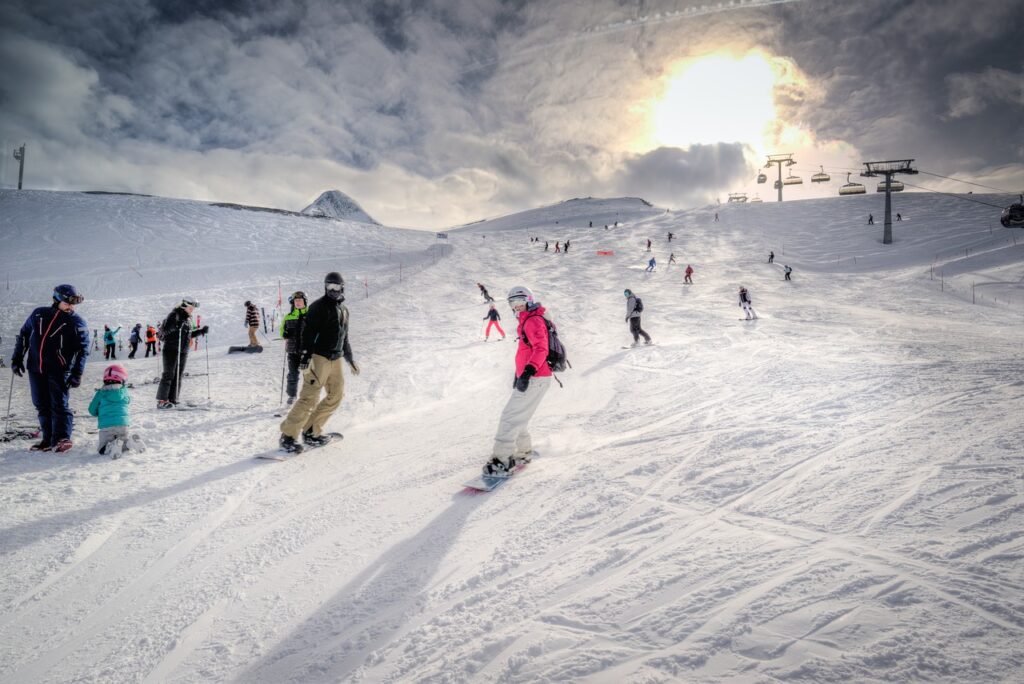
11. Easy Skiing or Snowboarding

If you live somewhere with cold winters, skiing or snowboarding can be a fun way to stay active.

However, these activities can become physically demanding very quickly. Fast downhill runs, difficult terrain, jumps, and long sessions can create significant fatigue.

If you’re using skiing or snowboarding as an active recovery activity, keep things relaxed. Choose easier terrain, control your pace, and take plenty of breaks.

If you’re already feeling tired or sore from training, taking a complete rest day may be the better option.

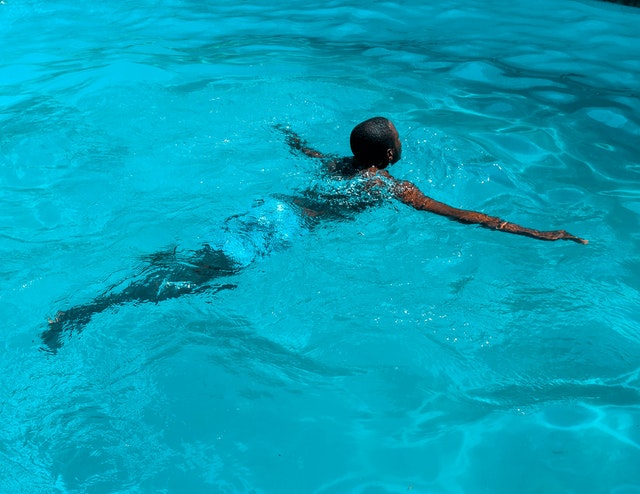
12. Swimming

Swimming can be another low-impact activity to consider on a recovery day.

An easy swim allows you to move your entire body while placing relatively little impact on your joints compared with many land-based activities.

Instead of turning your swim into a hard conditioning workout, keep the intensity low and focus on relaxed movement and technique.

If swimming leaves you exhausted, reduce the duration or choose another recovery activity such as walking or gentle mobility work.

How Long Should an Active Recovery Workout Last?

There isn’t one specific amount of time that everyone needs for active recovery.

For many people, 10–30 minutes of easy movement can be enough to get the body moving without creating additional fatigue.

You could try:

  • 15–20 minutes of easy walking
  • 10–20 minutes of light cycling
  • 15–30 minutes of gentle swimming
  • 10–20 minutes of mobility and stretching
  • A short combination of walking and mobility exercises

The right duration depends on your training volume, fitness level, soreness, and how your body feels that day.

Active Recovery vs. Complete Rest

Active recovery isn’t always necessary.

If you’re extremely sore, exhausted, dealing with an injury, feeling sick, or experiencing unusual pain, your body may benefit more from complete rest.

Active recovery should complement your training—not interfere with it.

A good rule is to ask yourself how you feel after the activity. If you finish feeling refreshed and relaxed, you probably kept the intensity appropriate. If you finish feeling drained and need another recovery day, you may have done too much.

Final Thoughts on Active Recovery Exercises

Rest days are an important part of a well-rounded training routine. You don’t have to spend every rest day completely inactive, but you also don’t need to turn your recovery day into another intense workout.

Active recovery exercises such as walking, easy cycling, gentle stretching, yoga, Tai Chi, swimming, and other low-intensity activities can help you stay moving while giving your body a break from demanding training.

For martial artists and combat sports athletes, this can be particularly useful after hard sessions involving sparring, strength training, conditioning, or repeated high-intensity drills.

Most importantly, listen to your body. Keep your recovery activities easy enough that they support your next training session rather than making you less prepared for it.

If you have anymore questions about active recovery exercises & activities, leave a comment, or send a message. 

Share