Public speaking is one of the most common fears people face. Whether it’s presenting in school, speaking at work, or addressing a large audience, standing in front of others can be intimidating. Nervous habits such as stuttering, speaking too quickly, and using filler words like “uh” and “um” often appear when confidence is lacking.
For one martial artist, public speaking used to be a stressful experience. During presentations, nervousness would lead to frequent pauses, filler words, and self-doubt. Even when classmates offered encouragement afterward, there was still a feeling that the presentation could have gone much better.
After spending time away from martial arts, confidence gradually declined. However, returning to training sparked a major transformation. Through consistent practice, sparring, competition, and mental discipline, confidence began to grow both inside and outside the gym.
Over time, the lessons learned through martial arts started carrying over into school presentations and public speaking situations. Presentations became less intimidating, communication improved, and speaking in front of groups felt more natural.
Here are five martial arts lessons that can help anyone build confidence and become a better public speaker.
Table of Contents
How Martial Arts Improves Public Speaking Confidence: 5 Powerful Lessons
1. Confidence Is Built Through Consistent Practice
Many people assume confidence is something a person either has or doesn’t have. In reality, confidence is a skill that can be developed through experience, persistence, and overcoming challenges.
Martial arts provides a structured environment where students regularly push beyond their comfort zones. Through consistent training, skill development, and mental toughness, confidence begins to grow naturally.
As confidence increases, public speaking often becomes less intimidating. The ability to trust oneself during training carries over to presentations, making it easier to speak clearly and with conviction.
Many martial artists also notice a reduction in common nervous habits such as:
- Saying “uh” and “um”
- Overusing filler phrases
- Speaking too quietly
- Avoiding eye contact
The more confidence that is built in training, the easier it becomes to communicate effectively in front of an audience.
2. Sparring Teaches You How to Manage Nerves
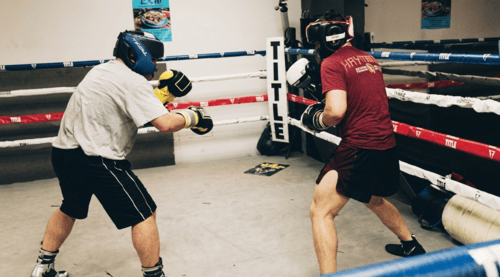
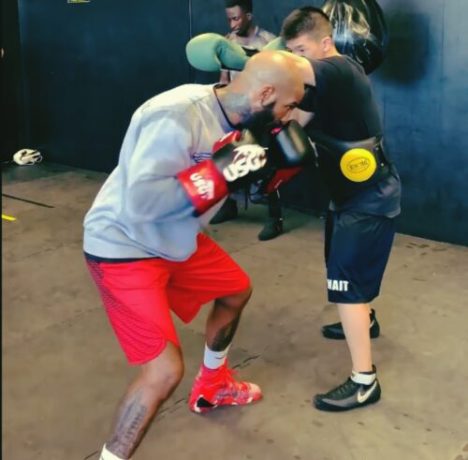
At first glance, sparring may seem unrelated to public speaking. However, both activities require a person to perform under pressure while being observed by others.
Before sparring, many martial artists experience nervousness. They know their coaches and teammates are watching, and they want to perform well. Over time, repeated exposure helps them become more comfortable in stressful situations.
The same principle applies to public speaking.
As martial artists learn to manage their nerves during sparring, they develop the ability to stay calm and focused when presenting in front of a classroom, workplace, or audience.
Sparring also teaches determination and resilience. Rather than focusing on fear, martial artists learn to focus on the task at hand. This mindset can be applied directly to presentations by approaching them as an opportunity to perform rather than something to fear.
3. Breathing Techniques Help Control Anxiety
One of the most valuable lessons martial arts teaches is the importance of controlled breathing.
During training, anxiety and overthinking can negatively affect performance. Coaches often encourage students to slow down, breathe deeply, and regain control of their thoughts.
The same technique is extremely effective before a presentation.
Deep breathing can help:
- Reduce nervousness
- Slow a racing heart
- Improve focus
- Increase mental clarity
- Enhance speaking performance
Taking a few controlled breaths before speaking can help transform nervous energy into confidence and composure.
4. Demonstrating Techniques During Training Builds Comfort in Front of Others
Many martial arts students are asked to demonstrate techniques alongside their instructors during class.
Initially, this experience can feel intimidating. Nobody wants to make mistakes while being watched by coaches and training partners.
However, repeated exposure gradually builds comfort and confidence.
Over time, students become accustomed to being observed, which makes other forms of public performance feel less overwhelming. Whether speaking in front of a classroom or presenting during a business meeting, the experience of demonstrating techniques helps develop confidence under pressure.
5.Competition Develops Confidence Under Pressure
Competition may be one of the most powerful confidence-building experiences martial arts offers.
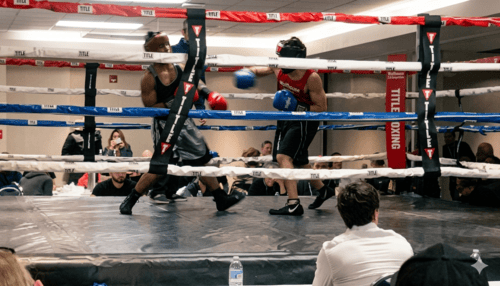
Before stepping into a boxing ring, cage, or competition area, it’s completely normal to feel nervous. Competitors often worry about their performance and how they will be perceived by coaches, teammates, friends, and spectators.
Yet once the competition begins, training takes over.
This experience teaches an important lesson: confidence isn’t the absence of fear—it’s the ability to perform despite it.
Compared to competing in front of a loud crowd, public speaking often feels far less overwhelming. Martial artists who have experienced the pressure of competition frequently find it easier to stay calm when speaking in front of a classroom or audience.
Conclusion
Martial arts offers much more than physical fitness and self-defense skills. It develops confidence, mental resilience, emotional control, and the ability to perform under pressure.
The lessons learned through consistent training, sparring, breathing exercises, demonstrations, and competition can have a powerful impact on public speaking skills.
For anyone who struggles with stage fright, presentation anxiety, or a fear of speaking in front of others, martial arts can be an effective way to build lasting confidence that extends far beyond the gym.
The confidence developed through martial arts doesn’t stay on the mats—it carries into school, work, and everyday life.
If you have anymore questions about boosting your confidence in public speaking, please feel free to leave a comment or send a message.
How Martial Arts Teaches You To Not Look Down On Others
One of the biggest things that martial arts has taught me was to never look down on others! When I...
Read MoreAngry Cooks | 3 Ways to Stand Up to Them
Research says that one of the cons of being a cook or chef is how stressful of a job it...
Read MoreBreak Up Experience | 6 MMA Exercises That Recovers You

One of the most painful experiences in life is going through a break up or feeling led on. Have you...
Read More6 Kung Fu Characteristics That’s Humbling Towards People
The 6 Kung Fu characteristics that I learned were a big part of making the person I am today. Kung...
Read MoreHi there! I’m Austin Hoang, an editor and writer specializing in martial arts. As a lifelong martial artist, I have trained in various disciplines and competed in amateur boxing, wrestling tournaments, and Muay Thai/Kickboxing tournaments. Through my experiences, I aim to share valuable insights and ideas about martial arts. Thanks for visiting my page—I hope to inspire and educate you on the impact martial arts can have on life!


I would like to know what type of martial art is easy to learn. many years ago i did tai chi yang style and i lost the teacher when i came out a therapeutic community. i had a breakdown and want to rebuild my confidence. aerobic rebounder provibrator stretch bands dumbbells’ kettlebells breathing exercise haven’t changed anything for me. i don’t know if i have got burn out syndrome as i feel depleted I want to something to revitalize me. how long does it take to learn a martial art and what one gives confidence. having the co ordination for a punch bag doesn’t seem to be there but i can do a speedball. i am 63 soon and have always wanted to learn how to skip but couldn’t do it. how much would it cost? thanks Douglas Mclean
Pingback: Heartbroken | 5 Benefits of Training Martial Arts Feeling That Way
Pingback: Angry Cooks | 3 Ways How Training MMA Helps You Stand Up to Them
Pingback: Heartbroken | 5 Benefits of Training Martial Arts Feeling That Way
Pingback: Break Up Topic - 6 MMA Exercises That Help You Recover From A...
Pingback: Recovering - 8 Activities To Do While Recovering Your Ankle Injury
Pingback: Angry Cooks | 3 Ways to Stand Up to Them - Mixed Martial Arts Lifestyle
Pingback: How Martial Arts Teaches You To Not Look Down On Others