Rest Days For Martial Artists | 5 Reasons You Need Them

Rest Days for Martial Artists- 5 Reasons You Need Them

Those hard training days during martial arts can be exhausting on the body. Pushing yourself during training is important because it allows you to test your limits, improve your conditioning, and develop your skills. However, taking rest days for martial artists is just as important as training hard.

After several days of intense training, it is normal for your muscles to feel sore and your body to feel fatigued. These can be signs that you need to give yourself time to recover. The techniques and physical training you practice can make you stronger, but recovery is also an important part of becoming a better martial artist.

Whether you train in Boxing, Muay Thai, MMA, Wrestling, Brazilian Jiu-Jitsu, Taekwondo, or another martial art, rest days can help your body and mind recover from demanding training sessions.

So, why are rest days important for martial artists?

Here are 5 reasons you need rest days from martial arts training.

Rest Day for MArtial Artists- Nutrition

1. Let Your Muscles Recover

No matter which martial art you practice, you are using your body extensively. Boxing and Muay Thai require repetitive striking movements, while Wrestling and Brazilian Jiu-Jitsu place significant demands on your muscles through grappling, takedowns, and positional work.

Because of the physical demands of martial arts, your muscles need time to recover after hard training sessions.

Taking a rest day allows your body to recover from the stress placed on your muscles during training. When you return to the gym after getting adequate recovery, you may feel more refreshed and ready to train.

Training breaks down the body, while recovery gives it an opportunity to rebuild and adapt.

Rest Days for MArtial Artists- Nutrients

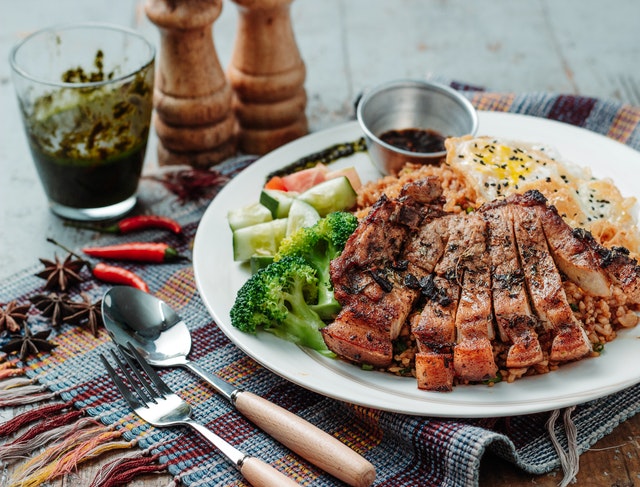
2. Refuel Your Body

Men’s Health has mentioned the importance of getting your carbohydrates, fats, & proteins, which is the key to regain energy, muscle repair, & inflammation reduction. 

Nutrition plays an important role in martial arts recovery.

During intense training, you burn energy and place stress on your muscles. Refueling your body with nutritious foods can help provide the energy and nutrients needed to support recovery.

A balanced diet that includes protein, carbohydrates, healthy fats, fruits, vegetables, and plenty of fluids can help support your training and recovery.

Protein is especially important because it provides amino acids that your body uses to repair and maintain muscle tissue. Carbohydrates can help replenish energy stores, while healthy fats contribute to overall health.

Rest days are therefore not simply about doing nothing. They are also an opportunity to eat well, hydrate, and give your body the resources it needs to recover.

Rest Day for Martial Artists- Injury Prevention

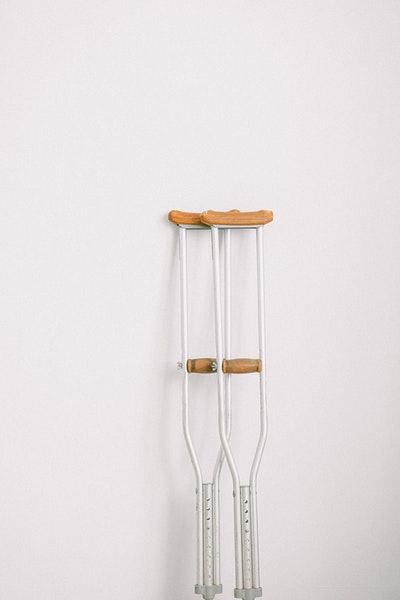
3. Help Prevent Injuries

Research says if you don’t give yourself a break, your joints & muscles will undergo pain due to overuse. So overtraining is not a smart option! Injuries suck & nobody would want to be out of training for days, weeks, or even months.

Training hard every day without giving your body enough time to recover can increase the amount of stress placed on your muscles, joints, and connective tissues.

If you continue training while excessively fatigued or sore, your technique and performance may suffer. For martial artists, this can become particularly important because poor technique while striking, wrestling, or grappling can increase the risk of getting hurt.

This is why rest days should be part of a martial artist’s training schedule.

Nobody wants an injury to keep them out of the gym for days, weeks, or even months. Taking time to recover can help you return to training feeling physically and mentally prepared.

Remember: missing one training session is better than missing several months because of an injury.

Rest Days for Martial Artists- Mind Reset on Rest Day

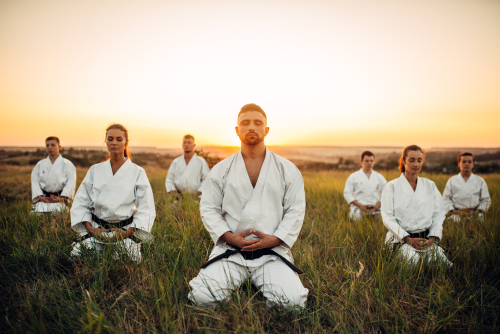
4. Give Your Mind a Reset

Your body is not the only thing that gets tired from martial arts training. Your mind can become fatigued as well.

There is a tremendous amount of information to learn in martial arts. You may spend an entire class learning combinations, defensive techniques, takedowns, submissions, footwork, or different positions.

Taking a rest day gives your mind an opportunity to step away from training.

Instead of constantly thinking about what you need to improve, you can relax and allow yourself to mentally reset. When you return to the gym, you may feel more focused and motivated to continue learning.

Mental recovery is an important part of martial arts training.

Rest Days for Martial Artists- Reflecting On A Rest Day

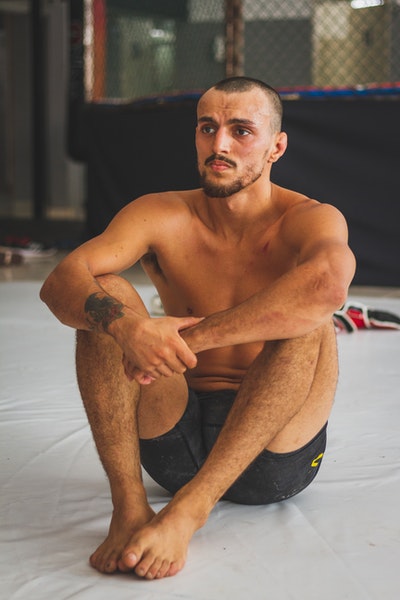
5. Reflect On Your Skills

Rest days can also provide an opportunity to reflect on your martial arts progress.

Think about what you learned during your recent training sessions. What techniques are improving? What areas are giving you trouble? Are there certain combinations, movements, or positions that you need to practice more?

Taking time to reflect can help you identify your strengths and weaknesses.

For example, a boxer might realize that their footwork needs more attention, while a Brazilian Jiu-Jitsu practitioner might recognize that they need to improve their escapes from certain positions.

When you return to training, you can use those observations to make adjustments.

Training is not only about working harder. It is also about understanding what you need to improve.

How Many Rest Days Should a Martial Artist Take?

There is no universal number of rest days that works for every martial artist. The amount of recovery you need depends on factors such as your training intensity, experience level, age, sleep, nutrition, overall workload, and how your body feels.

Someone training martial arts recreationally a few times per week may require a different recovery schedule than someone training multiple times per day for competition.

Pay attention to signs that your body may need more recovery, such as persistent soreness, unusual fatigue, declining performance, or a lack of motivation to train.

If you consistently feel run down, consider reducing your training load and giving yourself additional recovery time.

What Should You Do on a Martial Arts Rest Day?

A rest day does not necessarily mean you have to sit on the couch all day.

Depending on how fatigued you are, you might spend your rest day doing light walking, gentle mobility work, stretching, relaxing, eating nutritious meals, hydrating, and getting quality sleep.

The goal is to recover rather than turn your rest day into another intense workout.

For martial artists, recovery should be viewed as part of the training process—not as a waste of time.

Conclusion

Rest days are essential for individuals who train in martial arts.

Training hard is important, but recovery is equally important. Giving your body time to recover can help your muscles repair, replenish your energy, and prepare you for your next training session. Taking time away from the gym can also give your mind an opportunity to reset and allow you to reflect on the skills you have been developing.

Whether you train Boxing, Muay Thai, MMA, Wrestling, Brazilian Jiu-Jitsu, Taekwondo, or another martial art, remember that you do not have to train every day to make progress.

Sometimes, the best thing you can do for your martial arts progress is take a day off.

Listen to your body, prioritize recovery, and return to training when you are ready to give your best effort.

Do you take rest days from martial arts training? What do you like to do on your days off? Let us know in the comments or send us a message!

Share