 Skip to content

Martial arts can be fun, challenging, and rewarding to learn. Whether it is Boxing, Kickboxing, Brazilian Jiu-Jitsu, Wrestling, Judo, Kung Fu, or another discipline, martial arts can help people develop physical fitness, discipline, confidence, coordination, and self-defense skills. However, not everyone is interested in stepping onto the mats or entering a martial arts gym. People who don’t want to learn martial arts have their own reasons.
There are many reasons why some people don’t want to learn martial arts. Some may believe martial arts are too difficult, while others may be afraid of getting hurt or feel intimidated by experienced practitioners.
Understanding these concerns can help explain why some people don’t want to learn martial arts and why the experience can seem intimidating to beginners.
Table of Contents
People Who Don’t Want to Learn Martial Arts | 6 Common Reasons

1. People Who Don't Want to Learn Martial Arts Think Martial Arts It's Too Hard
One of the most common reasons people avoid martial arts is because they believe it is too difficult to learn.
There is some truth to this. Every martial art has its own challenges, whether it involves learning complicated techniques, developing proper footwork, improving conditioning, memorizing combinations, or learning how to defend against an opponent.
However, difficulty is also an important part of martial arts training.
If martial arts were easy from the beginning, there would be less opportunity for people to challenge themselves, make mistakes, and improve. Learning difficult techniques can help practitioners develop patience, discipline, and perseverance.
Some beginners may eventually discover that martial arts are not for them, while others may enjoy the challenge and continue training for years.
The important thing is that beginners do not need to master everything immediately. Progress comes through consistent practice.
2. People Who Don't Want to Learn Martial Arts Think It's Easy
Interestingly, the opposite can also happen.
Some people may assume that martial arts are easy despite never having trained in them. They may compare martial arts to learning a traditional sport such as soccer, hockey, or football.
While every sport has its own challenges, martial arts are different because practitioners are often learning how to perform techniques against resistance while also protecting themselves and their training partners.
A beginner may learn a punch, kick, takedown, or submission technique relatively quickly. Performing that technique correctly against someone who is actively resisting is a completely different challenge.
Safety is also an important part of martial arts training. A lack of control, poor technique, or failure to follow gym rules can potentially result in injuries.
For that reason, martial arts should not be approached with the mindset that they are simply something that anyone can master without proper instruction.
3. Martial Arts Can Hurt Their Ego
Another reason some people avoid martial arts is because they do not want to experience failure.
Martial arts training can be humbling because beginners are likely to make mistakes, lose rounds, get outperformed, or struggle with techniques that initially seem simple.
For someone with a large ego those experiences can be difficult.
Brazilian Jiu-Jitsu is a good example. A new practitioner may believe they are strong or athletic enough to prevent someone from submitting them. Once they experience their first submission, however, they may realize that strength and confidence alone are not enough.
Getting submitted, losing a sparring round, or making a technical mistake does not mean someone is incapable of learning martial arts. These experiences are part of the learning process.
In fact, making mistakes can help practitioners identify their weaknesses and understand what they need to improve.
One of the most valuable lessons in martial arts is learning to leave the ego at the door.

4. They Don't Have an Interest
Sometimes there is no complicated reason.
Some people simply have no interest in learning martial arts.
Just as some individuals have no desire to play tennis, hockey, soccer, or another sport, martial arts will not appeal to everyone.
People have different interests, hobbies, and passions. Some may prefer traditional team sports, while others may enjoy running, weightlifting, swimming, or other physical activities.
There is nothing wrong with not wanting to learn martial arts.
The purpose of martial arts is not to convince everyone to become a fighter. It is simply one of many activities people can choose if they are interested in learning combat sports, improving their fitness, developing self-defense skills, or challenging themselves.

5. They are Afraid of Getting Hurt
Fear of injury is another understandable reason why some people don’t want to learn martial arts.
After all, martial arts are combat sports, and certain disciplines involve striking, grappling, throwing, or physical contact.
Someone who has never trained before may naturally worry about getting punched, kicked, thrown, or submitted.
However, properly supervised martial arts training is designed to teach practitioners how to train safely. Beginners are typically introduced to techniques gradually rather than immediately being thrown into intense sparring.
Learning proper technique, following gym rules, using appropriate protective equipment, and maintaining control during training can all help reduce unnecessary injuries.
That does not mean martial arts are completely risk-free. Injuries can happen in any physical activity.
Instead, beginners should understand that learning how to train safely is an important part of becoming a martial artist.
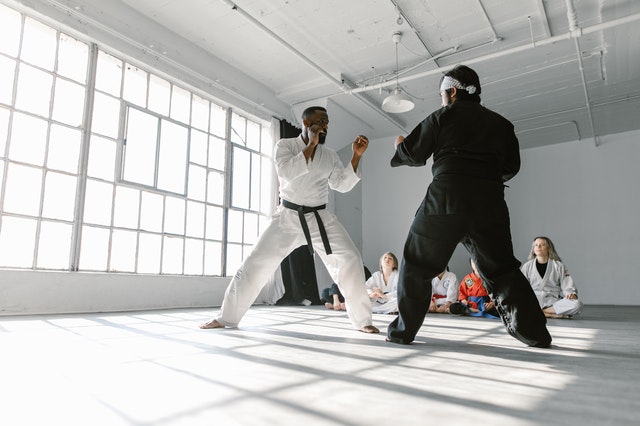
6. They Don't Want to Feel Intimidated
Walking into a martial arts gym for the first time can be intimidating.
A beginner may enter a room and see experienced practitioners hitting pads, sparring, rolling, lifting weights, or practicing advanced techniques. Seeing people who are already skilled can make a newcomer feel like they do not belong.
Some people may also feel intimidated because they know that the other practitioners have experience defending themselves.
However, beginners should remember that experienced martial artists were once beginners too.
Nobody starts their martial arts journey knowing everything.
The person who looks extremely skilled today may have once struggled to throw a basic combination, complete a takedown, escape a submission, or perform a proper stance.
As beginners continue training, they gradually become more comfortable with the environment. They learn the techniques, become familiar with their training partners, and develop confidence.
What initially feels intimidating can eventually become a familiar and enjoyable environment.
Conclusion
Not everyone wants to learn martial arts, and there is nothing wrong with that.
Some people may avoid martial arts because they believe they are too difficult. Others may mistakenly think they are easy, while some may avoid training because of their ego, lack of interest, fear of injury, or intimidation.
For people who are interested in trying martial arts, however, these concerns should not automatically prevent them from giving it a chance.
Martial arts training is a learning process. Beginners are expected to make mistakes, struggle with techniques, and experience moments of frustration. Those challenges are part of what makes martial arts so rewarding.
Anyone entering a martial arts gym should also avoid approaching training with an arrogant mindset. Underestimating martial arts or believing that they are simply something to “play” with can potentially lead to unnecessary injuries.
Instead, beginners should enter the gym with humility, patience, respect, and an open mind.
The goal is not to be the toughest person in the room. The goal is to become better than the person who walked through the door on the first day.
What do you think is the biggest reason some people don’t want to learn martial arts? Leave a comment or share your thoughts.


Martial Arts School: 7 Ways to Know You’re in the Right Gym
When people consider joining a martial arts school, one of...
Read More
How Martial Arts Teaches Humility
One of the greatest life lessons martial arts teaches is...
Read More
Brazilian Jiu-Jitsu (BJJ): 4 Valuable Lessons You Learn From a Bad Training Day
Every Brazilian Jiu-Jitsu (BJJ) practitioner experiences bad training days. Whether...
Read More
6 Kung Fu Characteristics That Build Humility & Strong Character
Martial arts are about much more than learning how to...
Read MoreYou May Also Like:


Hi there! I’m Austin Hoang, an editor and writer specializing in martial arts. As a lifelong martial artist, I have trained in various disciplines and competed in amateur boxing, wrestling tournaments, and Muay Thai/Kickboxing tournaments. Through my experiences, I aim to share valuable insights and ideas about martial arts. Thanks for visiting my page—I hope to inspire and educate you on the impact martial arts can have on life!

Pingback: Gym Drama | 6 Reasons You Shouldn't Get Involved- Mixed Martial Arts...
Hi, I’ve been mugged of a small neckless in the street by three lowlifes. I’m thinking that it’s very useful knowing how to defend yourself, but I’ve never been interested in any martial arts or combat sports and I’m not interested yet. I find it useful, but it’s not in my personality. I’d like to be interested and even to enroll in a gym, because I’d like to be able to defend myself, and to practice a noble art, and I acknowledge it can be useful too, but I feel that dedicating time to training would subtract time to activities I enjoy more.
Hi, my apologies for the late response due to personal life actvities that have come up. I’m sorry to hear about your experience—no one should have to go through that. It’s completely understandable to recognize the value of self-defense while also feeling that training isn’t naturally in your personality or priorities.
One thing to consider is that martial arts training doesn’t have to take over your life. Even just learning basic situational awareness and self-defense principles can make a big difference. Some gyms offer short self-defense workshops that don’t require a long-term commitment, which might be a good middle ground for you.
At the end of the day, you should spend your time on things you truly enjoy, but if self-defense is something you’d like to be interested in, maybe giving it a small try could help you decide if it’s worth your time. Either way, I appreciate you sharing your thoughts, and I hope you never have to face a situation like that again. Stay safe! – Mixed Martial Arts Lifestyle (MMAL)