Recovering from an ankle injury—or any injury—can be a crucial period for both physical and mental health. Recovering properly not only speeds up healing but also helps athletes maintain focus, motivation, and mental resilience during time away from training.
For many martial artists, minor bumps and bruises are simply part of training and rarely stop them from attending class. However, there are moments when a more serious injury forces an athlete to step away from training entirely.
During an MMA class, an experienced martial artist suffered a badly twisted ankle while doing live wrestling rounds with a training partner. The injury happened suddenly, causing immediate pain and making it clear that training would be put on hold for a while.
The incident was accidental, and the training partner felt genuinely bad about what happened.
The coach encouraged him to see a doctor to rule out any serious damage. After medical evaluation, it was confirmed that the injury was limited to soft tissue damage, with no broken bones or torn ligaments.
The doctor advised rest, regular icing, and the use of ibuprofen to manage pain and inflammation. With proper care, the ankle was expected to heal fully within a month.
Knowing that training would be off-limits during recovery, he needed to find productive ways to stay occupied and avoid frustration. Below are eight activities that helped him stay mentally engaged and positive while recovering.
Table of Contents
8 Things To Do While Recovering From An Ankle Injury
1. Type Up Reports or Write While Recovering
Writing may not appeal to everyone, but it can be an effective way to stay productive during recovery. At the time of the injury, he was still attending college, and writing reports helped keep his mind active.
For those who are not in school, writing can still be beneficial. Research shows that writing provides strong mental stimulation and can improve focus and emotional well-being during downtime. Possible topics include:
Personal interests
Passions
Plans and goals
Fictional stories
Dreams and aspirations
Writing about meaningful topics allows for self-expression and keeps motivation high, making the recovery period feel more purposeful.
2. Read Books While Recovering
Reading was another activity that helped pass the time during recovery. He gravitated toward books focused on:
Self-improvement
Life lessons
Combat sports stories
These real-life stories and motivational themes provided inspiration and served as reminders to stay resilient.
Studies also suggest that reading can significantly reduce stress, making it an excellent activity for anyone recovering from an injury.
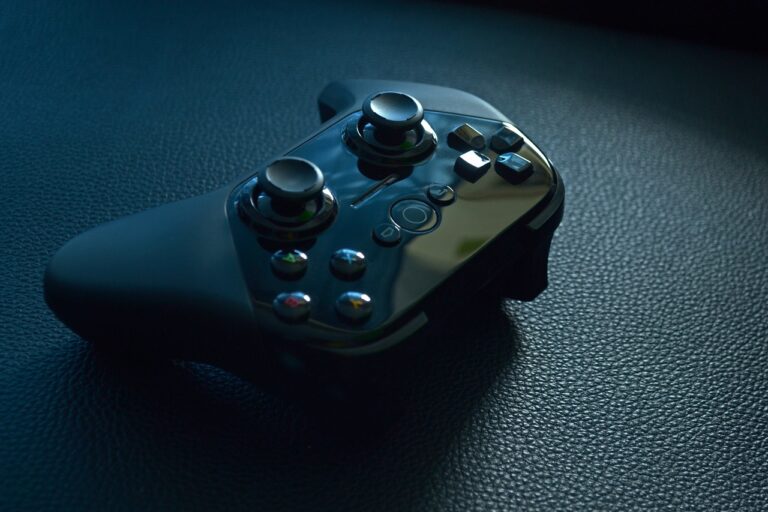
3. Play Video Games While Recovering
Because walking was painful, physical activity was limited. Most of the day was spent resting on the couch with the ankle elevated and iced.
During this time, playing video games became an enjoyable way to relax.
Gaming provided a temporary mental escape and helped relieve stress caused by being unable to train. While it wasn’t a replacement for physical activity, it was a useful outlet during recovery.
4. Catch Up On Shows & Movies While Recovering
Catching up on TV shows and movies was another way to unwind. With a busy training schedule prior to the injury, there were many shows he had missed.
Recovery time provided the perfect opportunity to watch them. While this sometimes led to late-night binge-watching, it also helped him relax and understand why certain shows were so popular among friends and family.
5. Continue Working (If Possible) While Recovering
Working during recovery can be challenging, depending on the job. At the time, he was working as a bartender. While the job required some movement, the bar environment made it manageable.
Tasks such as making highballs and serving canned beverages did not place significant strain on the ankle. Heavy lifting was avoided, and movements were kept minimal. Despite walking with a slight limp, working helped keep him busy and socially engaged.
This option may not be suitable for everyone. Jobs that require heavy physical labor may demand complete rest, whereas office or paperwork-based roles are often more manageable during recovery.
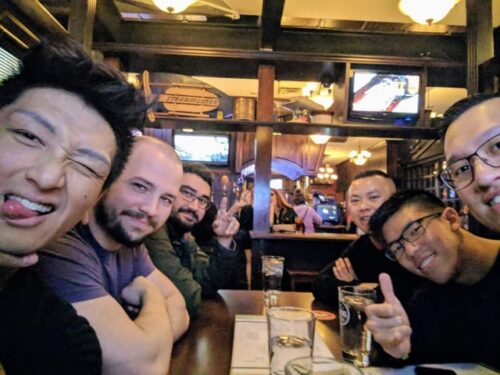
6. Hang Out With Friends While Recovering
Social interaction played an important role in maintaining mental well-being. While mobility was limited, activities were kept simple, such as:
Going for coffee with a friend
Dining at restaurants with small groups
Party events were avoided until walking returned to normal. Once mobility improved, social activities gradually resumed.
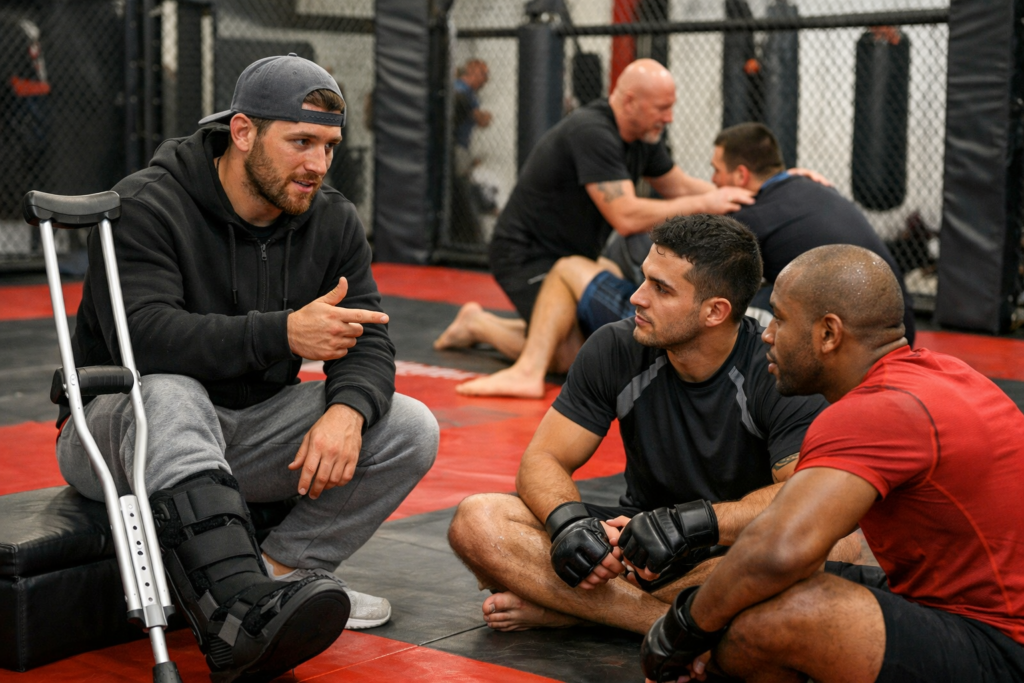
7. Watch and Help Teammates Train While Recovering
Even while injured, staying connected to the gym proved valuable. Visiting the gym to watch classes allowed him to observe coaching methods and reflect on his own fighting style.
After demonstrations, he occasionally assisted the coach by helping teammates refine techniques. Offering feedback on what to do and what to avoid helped him stay mentally involved in training and reinforced his technical knowledge.
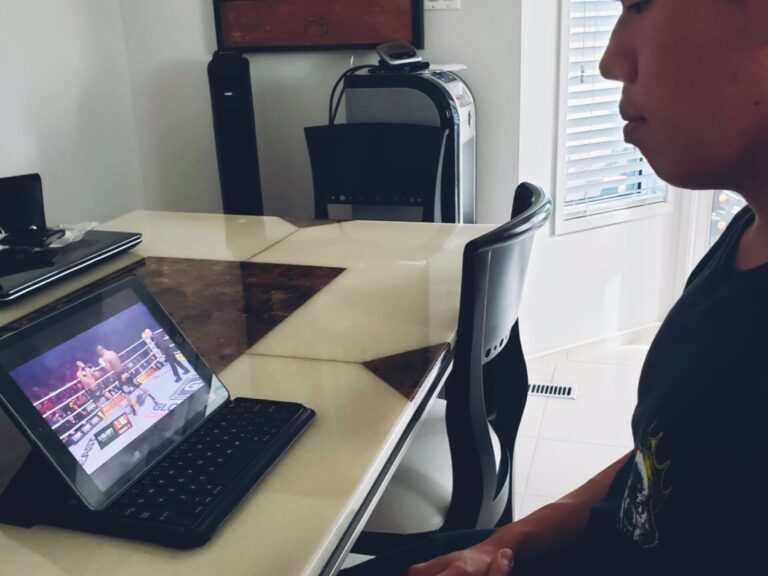
8. Study Combat Sports Matches While Recovering
In addition to entertainment, recovery time was used to study martial arts footage online. This included watching:
Boxing
Kickboxing
Muay Thai
Brazilian Jiu-Jitsu
Wrestling
MMA
Analyzing professional fighters helped deepen his understanding of technique application and fight strategy. Seeing how elite athletes executed techniques in competition provided insight into what works at the highest level.
Conclusion: Staying Productive While Recovering
In MMA and other combat sports, injuries are sometimes unavoidable. Being sidelined can be frustrating, but having a structured plan can make recovery far more manageable.
Staying mentally active, socially connected, and engaged with the sport helped turn a difficult recovery period into a productive one.
Anyone dealing with an ankle injury—or any training-related injury—can benefit from finding healthy ways to stay occupied while allowing the body to heal.
If you have questions about recovering from an ankle injury or staying productive during downtime, feel free to leave a comment or reach out directly.
Angry Cooks | 3 Ways to Stand Up to Them
Research says that one of the cons of being a cook or chef is how stressful of a job it...
Read MorePublic Speaking | 5 Martial Art Lessons That Boosts Confidence For It

Doing public speaking assignments for school is one of the most nerve-racking feelings that I get whenever I have to...
Read MoreBreak Up Experience | 6 MMA Exercises That Recovers You
One of the most painful experiences in life is going through a break up or feeling led on. Have you...
Read More6 Kung Fu Characteristics That’s Humbling Towards People

The 6 Kung Fu characteristics that I learned were a big part of making the person I am today. Kung...
Read MoreHi there! I’m Austin Hoang, an editor and writer specializing in martial arts. As a lifelong martial artist, I have trained in various disciplines and competed in amateur boxing, wrestling tournaments, and Muay Thai/Kickboxing tournaments. Through my experiences, I aim to share valuable insights and ideas about martial arts. Thanks for visiting my page—I hope to inspire and educate you on the impact martial arts can have on life!


Pingback: How Martial Arts Teaches People Not to Look Down On Others
Pingback: Break Up Topic - 6 MMA Exercises That Help You Recover From A...
Pingback: Cancun | How A Trip to There Affects Your Conditioning
Pingback: Rest Days | 5 Reasons You Need it After Training Martial Arts