Wrestling is one of the most demanding sports a person can learn, whether it is practiced in high school, college, or an MMA gym. The sport requires discipline, physical strength, mental toughness, resilience, and the willingness to keep improving.
While wrestling is primarily known as a competitive grappling sport, the lessons learned on the mat can extend far beyond competition. The habits developed through wrestling training can help people handle challenges at work, school, relationships, fitness, and other areas of life.
Wrestling teaches athletes how to work hard, accept criticism, overcome failure, stay disciplined, and become comfortable with difficult situations. These qualities can become valuable life skills that make everyday challenges easier to handle.
Learning wrestling does not mean life suddenly becomes easy. Instead, wrestling can help develop the mindset needed to deal with difficult situations more effectively.
Table of Contents
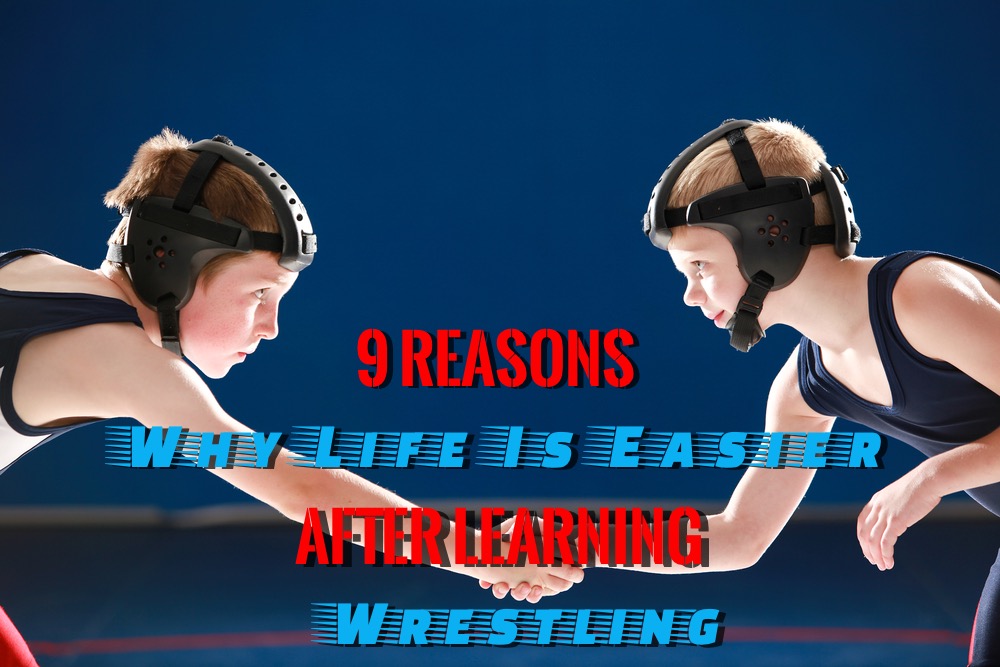
9 Reasons Why Life Gets Easier After Learning Wrestling
1. You Develop a Strong Work Ethic
A strong work ethic is important in almost every area of life, whether it involves work, school, fitness, or competition.
Wrestling requires athletes to consistently put in the work. Training sessions can be physically exhausting, and improving wrestling techniques requires repetition and dedication. There are no shortcuts when it comes to developing skills on the mat.
That same work ethic can carry over into everyday life. Someone who is accustomed to working hard during wrestling training may be more willing to put in the necessary effort to accomplish personal and professional goals.
Wrestling teaches an important lesson: consistent effort can lead to improvement.
2. You're Used To Constructive Criticism
Wrestling coaches often provide direct feedback to help athletes improve their technique and performance. A wrestler may hear that their stance, takedown, defense, conditioning, or positioning needs work.
Although criticism can sometimes be difficult to hear, learning how to accept constructive feedback is an important life skill.
Instead of taking every criticism personally, wrestlers can learn to look at feedback as an opportunity to improve. This mindset can become useful in the workplace, school, relationships, and other situations where someone needs to recognize mistakes and make adjustments.
Wrestling can teach people that feedback is not always an attack—it can be a tool for improvement.
3. You Become More Confident
Wrestling training can build confidence because athletes are constantly challenged to test themselves.
Learning a new technique, successfully completing a takedown, surviving a difficult training session, or improving after a previous loss can give a wrestler a greater belief in their abilities.
Confidence does not come from winning every match. It can also come from knowing that a person is capable of working through difficult situations.
That confidence can carry into everyday life. When challenges arise, someone who has developed confidence through wrestling may be more willing to face them rather than immediately backing down.
4. You Develop a Love For Learning
Wrestling involves constantly learning and refining techniques. Athletes have to understand different takedowns, escapes, reversals, pins, defensive positions, setups, and strategies.
The learning process never really stops.
As wrestlers become accustomed to learning new techniques, they may also develop a mindset of continuous improvement. That mindset can be applied outside of wrestling by encouraging people to learn new skills, explore new subjects, and continue developing themselves.
The more a person learns, the more opportunities they can create for themselves.
5. You Become More Teachable
Being teachable is one of the most important qualities a wrestler can have.
A wrestler who refuses to listen to a coach or constantly allows their ego to interfere with training can make it much harder to improve. Wrestling can quickly expose weaknesses, which gives athletes an opportunity to recognize what they need to work on.
The sport can also be humbling. Losing a match, getting taken down during practice, or struggling with a technique can remind athletes that there is always more to learn.
Over time, wrestlers can learn to leave their ego at the door and listen to coaches, training partners, and experienced athletes.
Being teachable is not only useful in wrestling. It is an important life skill because people who remain open to learning can continue improving throughout their lives.
6. You Become More Resilient
Resilience is one of the biggest life skills wrestling can develop.
Wrestling training can be physically and mentally demanding. There will be exhausting practices, difficult opponents, frustrating techniques, losses, and days when motivation is low.
Instead of giving up, wrestlers learn to keep going.
For example, a wrestler may feel completely exhausted during a difficult training session but find the determination to keep pushing through. That experience can teach them how to continue working even when things become uncomfortable.
This resilience can become valuable outside the gym. When someone experiences setbacks in their career, education, relationships, finances, or personal goals, the ability to get back up and keep moving forward can make a major difference.
7. You Can Apply Your Physical Strength In Other Activities
Wrestling develops significant physical strength because it requires athletes to control, move, and resist another person’s body.
Wrestlers commonly develop strength in their legs, hips, core, back, shoulders, and grip. The combination of strength, balance, coordination, and conditioning can become useful in many other physical activities.
For example, wrestling strength can benefit:
- Weight training
- MMA training
- Brazilian Jiu-Jitsu
- Other combat sports
- Physical labor
- General fitness
The physical benefits of wrestling can therefore extend beyond the wrestling mat.
8. You Learn Not to Fear Failure
Failure is an unavoidable part of wrestling.
Nobody wins every match. Nobody performs every technique perfectly. Even experienced wrestlers can have bad training sessions, make mistakes, or lose to an opponent.
However, failure can become one of the greatest teachers.
A loss can reveal weaknesses that need to be addressed. A failed technique can show a wrestler what needs to be corrected. A difficult practice can reveal areas where conditioning or technique needs improvement.
Failure may hurt the ego, but it can provide valuable lessons.
Once wrestlers become comfortable learning from mistakes, they may become less afraid of failure in other areas of life.
Instead of viewing failure as the end, they can view it as feedback that helps them make better decisions and continue moving forward.
9. You're More Comfortable Being Uncomfortable
Wrestling regularly puts athletes in uncomfortable situations.
Training can be physically exhausting, mentally challenging, and sometimes frustrating. Wrestlers have to learn how to stay composed when they are tired, under pressure, or struggling against a difficult opponent.
This repeated exposure to discomfort can help athletes become more comfortable with challenging situations.
That mindset can carry into everyday life. Difficult conversations, demanding jobs, stressful situations, new experiences, and personal challenges may feel less intimidating when a person has already learned how to function while uncomfortable.
Wrestling teaches an important lesson: growth often happens outside of a person’s comfort zone.
Conclusion
Wrestling is more than a sport or form of grappling. The training can help develop important life skills such as discipline, confidence, resilience, mental toughness, physical strength, adaptability, and a strong work ethic.
These qualities can help people handle challenges both on and off the mat.
Wrestling will not make life completely easy, but the mindset developed through consistent training can make difficult situations easier to manage. Learning how to work hard, accept criticism, learn from failure, stay teachable, and push through uncomfortable situations can benefit a person for years.
For anyone considering learning wrestling, the benefits can extend far beyond winning matches. The lessons learned on the wrestling mat can become lessons for life.
Do you believe wrestling has made life easier for you? Share your experience in the comments or send us a message.
Aggressive in Brazilian Jiu-Jitsu | 6 Cons
Being aggressive can have a place in Brazilian Jiu-Jitsu, especially...
Read MoreWrestling in MMA | 6 Reasons Why Wrestling is Beneficial
Wrestling is one of the most valuable disciplines an MMA...
Read MoreBrazilian Jiu-Jitsu (BJJ): 4 Valuable Lessons You Learn From a Bad Training Day
Every Brazilian Jiu-Jitsu (BJJ) practitioner experiences bad training days. Whether...
Read MoreWrestling | 5 Reasons Why High School Students Should Learn Wrestling
Have you ever had a friend or a random person...
Read MoreYou May Also Like:

Hi there! I’m Austin Hoang, an editor and writer specializing in martial arts. As a lifelong martial artist, I have trained in various disciplines and competed in amateur boxing, wrestling tournaments, and Muay Thai/Kickboxing tournaments. Through my experiences, I aim to share valuable insights and ideas about martial arts. Thanks for visiting my page—I hope to inspire and educate you on the impact martial arts can have on life!


Pingback: Wrestling - 5 Reasons Why High School Students Should Learn Wrestling
Pingback: Angry Cooks | 3 Ways to Stand Up to Them - Mixed Martial Arts Lifestyle
Pingback: Wrestling in MMA | 6 Reasons Why Wrestling is Beneficial
Pingback: Pandemic - 7 Martial Arts Lessons That Keeps You Strong During a ...