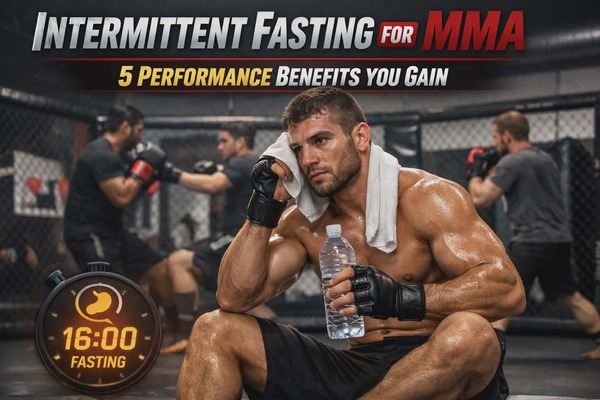
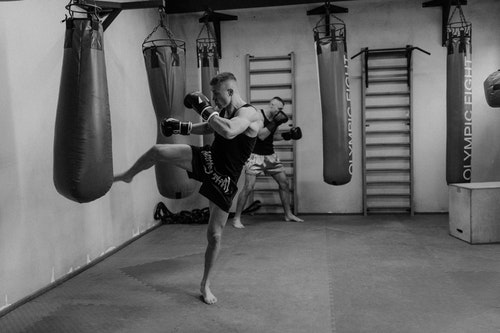
Intermittent fasting (IF) has exploded in popularity within the combat sports community, gaining mainstream attention after high-profile athletes like former UFC Champion Georges St. Pierre discussed its benefits on the Joe Rogan Experience Podcast.
For martial artists looking to optimize their weight without sacrificing the explosive power required for the cage, IF offers a compelling strategy.
Many fighters and coaches have transitioned to an intermittent fasting lifestyle to shed excess body fat while maintaining the “ox-like” strength necessary for grappling and striking.
Here are five science-backed performance benefits of intermittent fasting for MMA athletes.
Table of Contents
Intermittent Fasting For MMA: 5 Performance Benefits for Combat Athletes
1. Enhanced Cardiovascular Endurance during Training
One of the most immediate benefits of training in a fasted state is the impact on “gassing out.” Many athletes find that eating even a light breakfast before a morning session leads to sluggishness and indigestion. By utilizing intermittent fasting, the body often feels more efficient during high-intensity rounds.
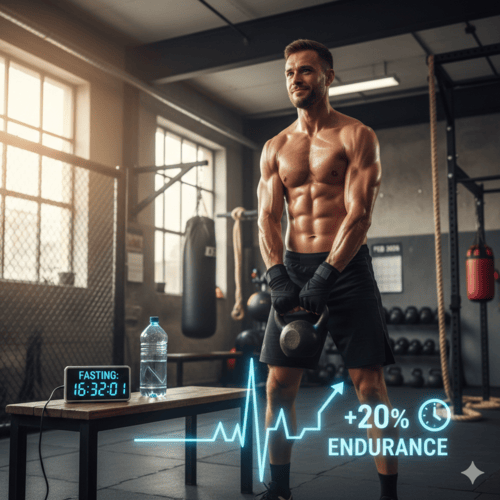
Research suggests that Intermittent Fasting can be beneficial for cardiovascular health, and athletes often report a significant boost in energy levels. This improved conditioning allows fighters to push harder through:
High-intensity interval training (HIIT) and AirDyne sprints.
Grinding wall-wrestling and live grappling rounds.
Full-contact sparring sessions (5+ rounds) without premature fatigue.
2. Retention of Grappling Strength
A common fear among martial artists is that weight loss leads to a loss of “mat strength.” However, practitioners of Intermittent Fasting often find they can maintain their push-and-pull power even after dropping significant weight.
By focusing the eating window on nutrient-dense foods, fighters can lose 10–15 pounds of fat while remaining competitive against larger training partners in the clinch and on the ground.
3. Preservation of Raw Lifting Power
In traditional dieting, strength often plateaus or decreases. Intermittent fasting allows athletes to maintain heavy volume in the weight room. Fighters have reported maintaining their one-rep maxes and high-volume sets in essential movements such as:
Squats and Deadlifts for explosive takedowns.
Bench Press for shucking off opponents.
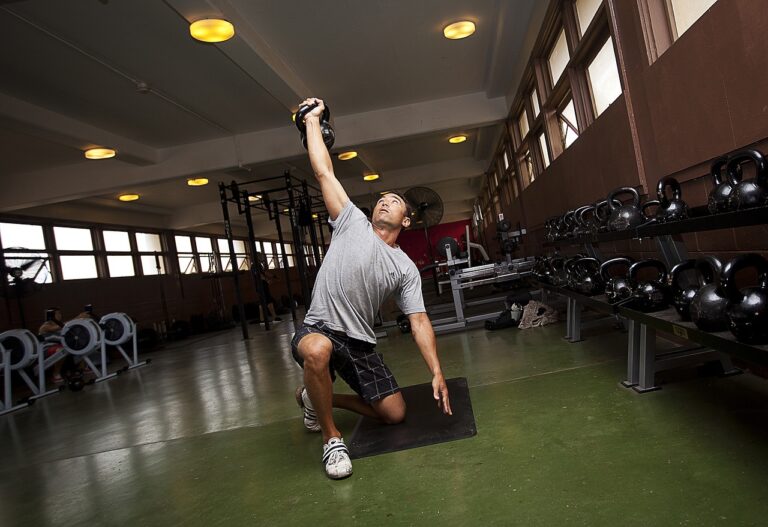
Kettlebell Swings for posterior chain endurance.
4. Increased Speed and Agility
On Healthline, they have mentioned that intermittent fasting is beneficial for those who want to lose weight & belly fat.
Losing even a small amount of “dead weight” (excess body fat) can make a fighter feel significantly more mobile. Speed is a crucial advantage in MMA; a lighter frame allows for faster head movement, more fluid footwork, and quicker entries.
Being “lean and mean” transforms an athlete from a slow-moving target into a dynamic striker who can slip, roll, and counter with precision.
5. Sustained Punching and Kicking Power
The ultimate goal of any MMA-specific diet is to lose weight without losing “the equalizer”—knockout power.
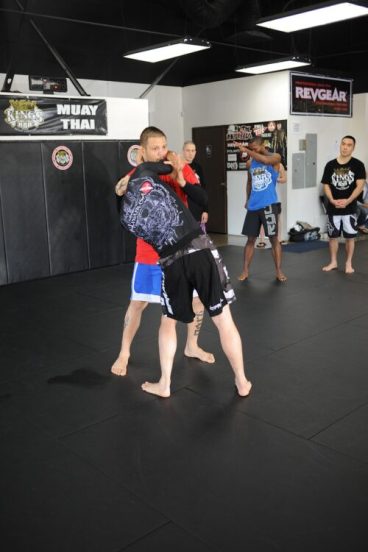
Athletes utilizing intermittent fasting often find that the impact of their strikes remains heavy on the Thai pads and heavy bags.
When the retention of raw strength is combined with increased hand speed, the result is a more effective, more dangerous striker.
Conclusion
Intermittent fasting is a potent tool for any martial artist’s arsenal. Beyond simple weight loss, it offers a pathway to maintaining strength and improving cardio simultaneously.
Feeling lighter, faster, and stronger is the ideal trifecta for combat sports. Whether preparing for a fight or looking to improve daily training performance, intermittent fasting provides a sustainable lifestyle for the modern fighter.
If you have any more questions about intermittent fasting, please feel free to leave a comment or send a message.
How Scary MMA Scenarios Improves Your Combative Style
To improve your overall MMA style, one of the best methods is to train yourself to be in scary scenarios....
Read MoreGinger Tea | 4 Health & Recovery Benefits of Drinking it
After a hard training session of whether it’s Muay Thai, Boxing, MMA, Wrestling, Brazilian Jiu-Jitsu, & Strength & Conditioning, food...
Read MoreCancun Recovery: How a Tropical Vacation Impacts MMA Conditioning

Cancun Recovery: How a Tropical Vacation Impacts MMA Conditioning Cancun is world-renowned as the ultimate destination to let loose. However,...
Read MoreBreak Up Experience | 6 MMA Exercises That Recovers You
One of the most painful experiences in life is going through a break up or feeling led on. Have you...
Read MoreHi there! I’m Austin Hoang, an editor and writer specializing in martial arts. As a lifelong martial artist, I have trained in various disciplines and competed in amateur boxing, wrestling tournaments, and Muay Thai/Kickboxing tournaments. Through my experiences, I aim to share valuable insights and ideas about martial arts. Thanks for visiting my page—I hope to inspire and educate you on the impact martial arts can have on life!


Pingback: MMA Fans | 9 Types You Meet in Real Life - Mixed Martial Arts Lifestyle
Pingback: Cancun | How A Trip to There Affects Your Conditioning
Pingback: Wrestling in MMA | 6 Reasons Why Wrestling is Beneficial
Pingback: Ginger Tea - 4 Health Benefits of Drinking Ginger Tea For Recovery