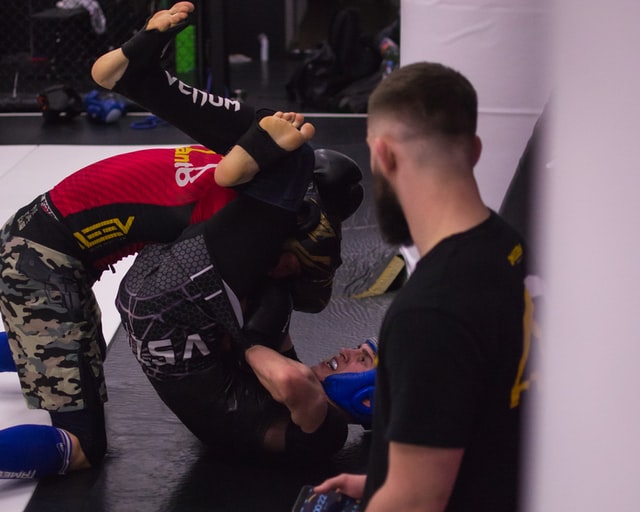
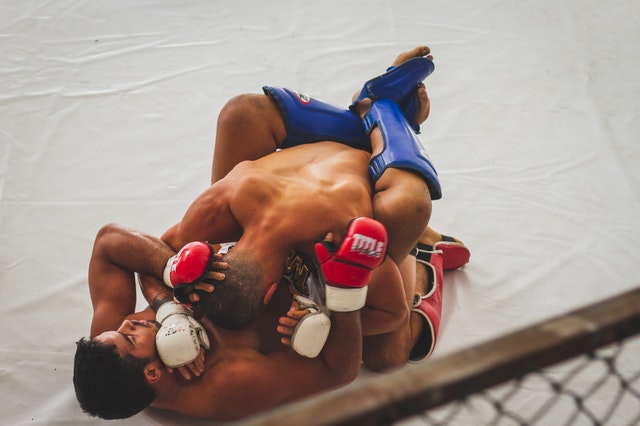
To improve your overall MMA style, one of the most effective methods is learning how to perform under pressure in uncomfortable and high-pressure situations. Training through scary MMA scenarios takes courage, composure, and determination, but repeatedly experiencing these situations can help you become more confident and prepared.
In MMA, athletes train across multiple disciplines, including Boxing, Muay Thai, wrestling, Brazilian Jiu-Jitsu, and other grappling styles. Each discipline presents its own challenging situations, from defending strikes and takedowns to escaping submissions and ground-and-pound attacks.
The more you experience these scenarios during controlled training, the more familiar they become. Instead of panicking when something unexpected happens, you can begin recognizing the situation and responding with the techniques you have practiced.
Here are six ways that training through scary MMA scenarios can improve your combative style.
Table of Contents
MMA Scenarios | How Scary MMA Scenarios Improves Your Combative Style
1. Your Overall Striking Defense Improves
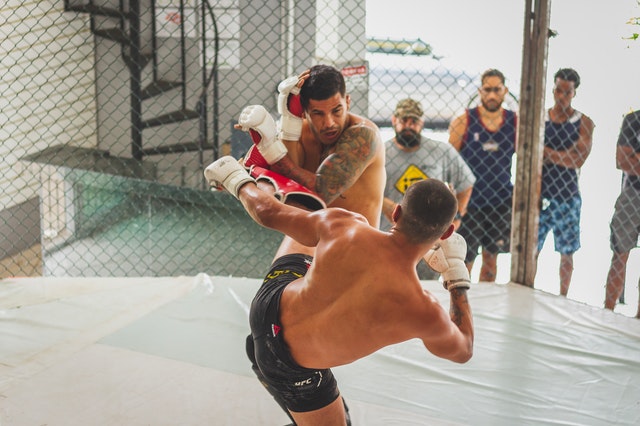
MMA striking combines techniques from numerous striking disciplines, including Boxing, Muay Thai, Karate, and Taekwondo. When you train with people who have different striking backgrounds, you can encounter a wide variety of attacks, combinations, timing, and movement.
During sparring, an unfamiliar striking style can make it difficult to predict what is coming next. You may become uncomfortable or overwhelmed when your training partner uses techniques you are not accustomed to defending.
However, regularly sparring with people who have different styles can gradually improve your striking defense. You become more comfortable dealing with different ranges, angles, combinations, and rhythms.
Over time, these experiences can improve your ability to recognize incoming attacks and react more effectively.
2. You Get Better At Defending Takedowns
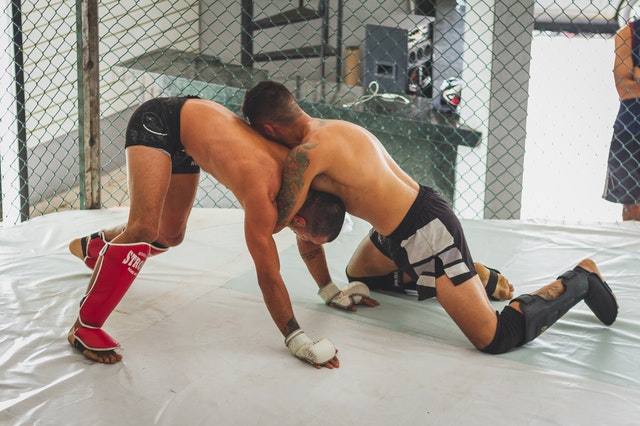
MMA takedowns can happen unexpectedly, especially when striking exchanges create opportunities for a wrestler or grappler to shoot.
Getting taken down suddenly can be a frustrating experience. However, repeatedly experiencing it during training can highlight weaknesses in your takedown defense and give you a reason to improve them.
Working on wrestling techniques such as the sprawl, underhooks, defensive positioning, and takedown awareness can help you become more prepared when your opponent attempts to bring the fight to the ground.
3. You Develop Your Ability to Scramble Back to Your Feet
Getting taken down is one thing. Being able to quickly scramble back to your feet is another.
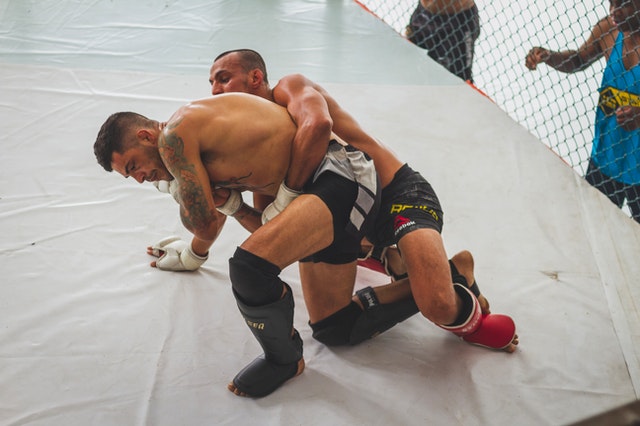
MMA fighters can find themselves in difficult ground positions where staying on the bottom leaves them vulnerable to submissions, positional control, and ground-and-pound attacks.
If scrambling was not one of your natural strengths when you started training, live grappling can quickly expose that weakness.
Repeatedly working through difficult positions can help you become more comfortable with creating space, finding openings, using frames, and getting back to your feet.
The goal is not simply to avoid being taken down. It is also to develop the ability to recover when a takedown does happen.
4. You Get Better At Escaping Ground & Pound Situations
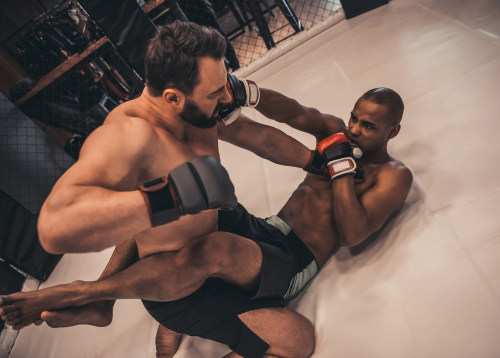
Ground-and-pound is one of the most intimidating situations in MMA. Being underneath an opponent while defending strikes can create a tremendous amount of pressure.
Learning MMA ground-and-pound escapes during controlled training can improve your awareness and ability to respond when you are placed in these positions.
The more frequently you practice defensive sequences, the more familiar you become with protecting yourself, creating opportunities to escape, and working toward a better position.
Instead of freezing when you find yourself underneath an opponent, you can begin recognizing the position and applying the techniques you have practiced.
5. You Become More Aware of Submissions
MMA grappling also exposes athletes to unexpected submission attempts.
A skilled Brazilian Jiu-Jitsu practitioner can transition between positions and submissions quickly. A triangle choke, armbar, rear-naked choke, or other submission can appear before you realize that you are in danger.
For example, you may find yourself caught in a triangle choke before you have enough time to react.
Experiences like these can expose weaknesses in your submission defense. They can also teach you to recognize the early stages of a submission before your opponent fully locks it in.
As your awareness improves, you can begin identifying dangerous positions earlier and reacting before the submission becomes difficult to escape.
6. Your Jiu-Jitsu Guard Defense Becomes Stronger
Live MMA grappling rounds can be particularly challenging when your training partner is constantly trying to pass your guard.
Once your opponent passes your guard, they may have opportunities to establish dominant positions, attempt submissions, or use ground-and-pound techniques.
Although constantly having your guard passed can be frustrating, these situations can reveal exactly what you need to work on.
Returning to guard-defense drills and practicing against different passing techniques can improve your ability to maintain position and prevent your opponent from advancing.
Eventually, the defensive movements you repeatedly practice become more familiar. You begin recognizing passing attempts earlier and reacting more instinctively during live grappling.
Conclusion
Training through scary and uncomfortable MMA scenarios can play an important role in developing your overall combative style.
Whether you are defending strikes, stopping takedowns, scrambling back to your feet, escaping ground-and-pound, defending submissions, or maintaining your guard, live training exposes you to situations that cannot always be replicated through technique drills alone.
The purpose of experiencing these scenarios is not to seek unnecessary danger. Instead, controlled exposure to difficult situations can help you become more familiar with pressure and better prepared to respond when something unexpected happens.
The more you practice responding to difficult MMA scenarios, the more opportunities you have to improve your technique, awareness, composure, and defensive reactions.
What scary or uncomfortable MMA scenario has helped you improve the most? Leave a comment or send a message to share your experience.
How Muay Thai & Dutch Kickboxing Toughens You Up
Dutch Kickboxing & Muay Thai is a great combination to learn & put together to strengthen your striking style. These...
Read More13 Common Boxing Mistakes Beginners Make When Training
Boxing may look simple from the outside, but learning proper boxing technique requires time, repetition, coordination, and practice. Beginners have...
Read MoreAggressive in Brazilian Jiu-Jitsu | 6 Cons
Being aggressive can have a place in Brazilian Jiu-Jitsu, especially during competition. However, being overly aggressive during BJJ training can...
Read MoreWrestling in MMA | 6 Reasons Why Wrestling is Beneficial

Wrestling is one of the most valuable disciplines an MMA fighter can develop. Whether someone has a background in high...
Read MoreHi there! I’m Austin Hoang, an editor and writer specializing in martial arts. As a lifelong martial artist, I have trained in various disciplines and competed in amateur boxing, wrestling tournaments, and Muay Thai/Kickboxing tournaments. Through my experiences, I aim to share valuable insights and ideas about martial arts. Thanks for visiting my page—I hope to inspire and educate you on the impact martial arts can have on life!


Pingback: Brazilian Jiu Jitsu | 4 Lessons You Learn From A Bad Day of Training...
Pingback: MMA Fans | 9 Types You Meet in Real Life - Mixed Martial Arts Lifestyle
Pingback: Cancun | How A Trip to There Affects Your Conditioning
Pingback: Intermittent Fasting For MMA | 5 Performance Benefits You Gain
Pingback: Brazilian Jiu Jitsu - 4 Lessons You Learn From A Bad Day of Training...
Pingback: Aggressive in Brazilian jiu-jitsu - The 6 Cons of Being Overly Aggressive...